
The Kairos Congress invites us to discover an opportune time to encounter God, set out on the journey, and make faith a life that is shared and given to others.
Some encounters change our direction. A conversation along the way, someone who truly listens to us, or a person who needs our help can open up a question: what does God want from me, here and now? The Greek word kairós expresses that opportune time, that occasion which calls for a response. In Christian life, it invites us to recognize how God comes to meet us in the midst of everyday life.
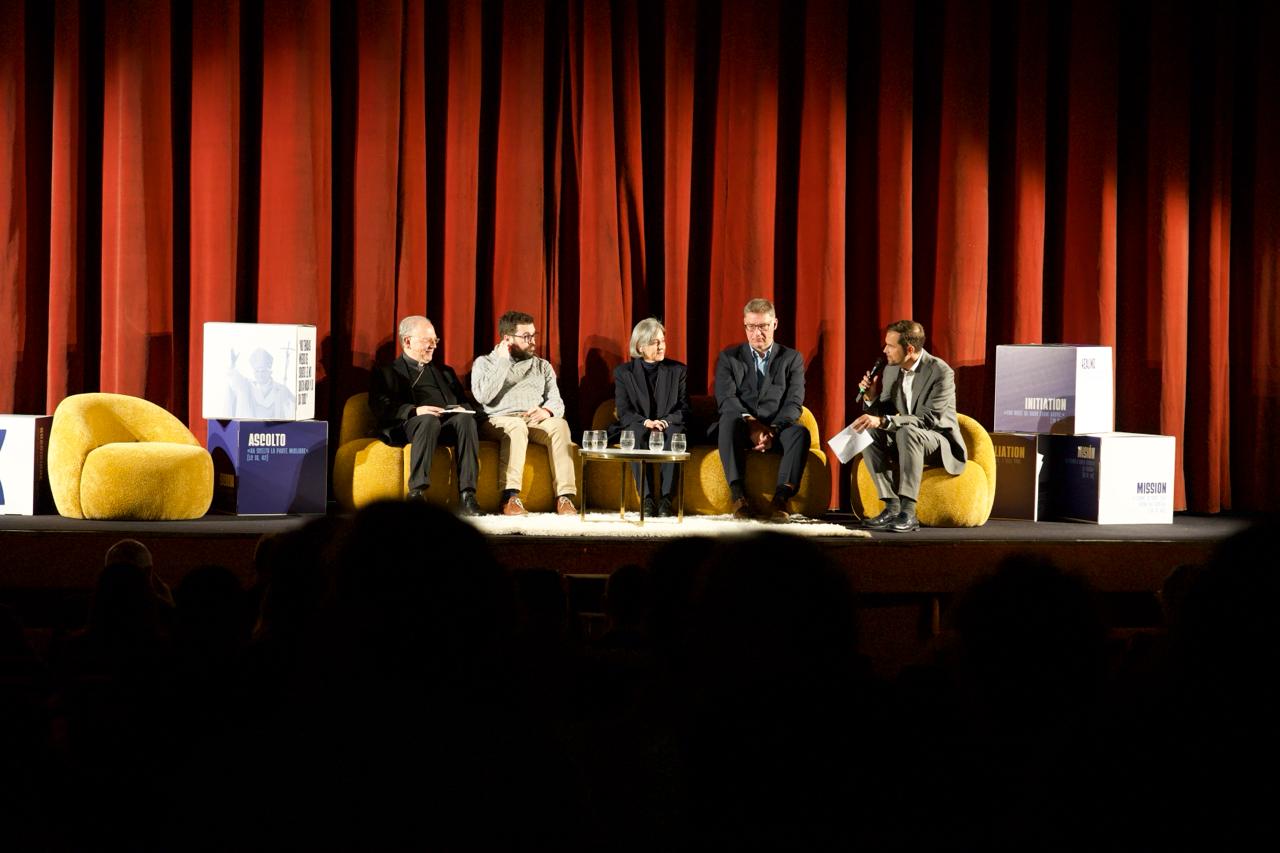
From this perspective, the second talk of the Kairos Congress, “Pilgrimage: where is this generation heading?”, addressed a question close to many young people: how to discover where to direct one’s life and with whom to walk that path. Pilgrimage, charity, liturgy, and holiness emerged as experiences in which that search can become an encounter with Christ.
The speakers were biblical scholar Ricardo Sanjurjo Otero; Magnus MacFarlane-Barrow, founder of Mary’s Meals; religious sister and liturgy specialist Elena Massimi; and Monsignor Fabio Fabene. Their contributions invited us to see youth as a time in which God is already calling and in which it is possible to respond.
Setting out with our questions on our shoulders
Human existence is a pilgrimage. This idea ran through the dialogue and made it possible to look beyond routes and kilometers: whoever goes on pilgrimage carries their story, their concerns, and the desire to find meaning.
Sister Elena Massimi placed the goal of that journey in Christ. Setting out means opening ourselves to an experience that can change the way we live. It also means accepting that we need guidance and companionship.
Drawing on his experience in Santiago de Compostela, Ricardo Sanjurjo highlighted the value of welcome. Those who arrive after walking need rest, but they may also need a space to talk about what they carry inside.
“Accompanying young people on the Camino and in faith means offering them a space of authentic listening where they can discover their own vocation,” he said.
That is where a kairós can open up: when someone feels heard and finds the confidence to ask questions about their life. For Christian communities, this requires availability, attention, and patience with each person’s process.
Emmaus: Jesus draws near and walks with you
The story of the disciples on the road to Emmaus offered an image for understanding this accompaniment. Jesus draws near to two people walking in discouragement, listens to what has happened to them, and shares their journey. In that encounter, the disciples discover a new meaning in what they have lived and return to the community.
This way of acting sets a concrete task for youth ministry: to be close to young people, to know their questions, and to accompany them as they discover God’s presence in their own story.
Friendship and community are essential. A congress, a pilgrimage, or a volunteering experience can awaken something important. For that restlessness to grow, we need people with whom we can keep talking, praying, and sharing life once we return home.
Feeding others also transforms your life
Magnus MacFarlane-Barrow brought the reflection into the realm of charity through his experience with Mary’s Meals, which links school feeding with access to education in situations of poverty.
“Charity is not a matter of projects or efficiency: it is about looking into someone’s eyes and recognizing a brother,” he said.
His talk was a reminder that organization and evaluation of the work must keep the person at the center. Every meal that is prepared and every child who is accompanied give a concrete face to service.
MacFarlane-Barrow also shared how these encounters renew his own faith. Listening to a child’s story and drawing close to their reality can become an occasion to recognize Jesus and to reexamine one’s own relationship with God.
Service thus offers young people an opportunity to discover their vocation. By committing themselves to the needs of others, they can recognize their gifts, let themselves be challenged, and learn to love through concrete gestures. That, too, is an opportune time to respond to God.
Celebrating together and finding your place
Sister Elena Massimi connected the liturgy with learning to walk in community. In the celebration, each person contributes something and learns to listen to others.
“Liturgy and synodality share the same art: harmonizing diverse voices without reducing them to unison, so that the whole Church may walk together in listening and communion,” she stated.
The image of singing helps us understand it: each voice keeps its identity and takes part in a single expression of faith. The various services and ministries require that same willingness to contribute one’s own gifts with humility.
Massimi stressed the importance of caring for formation, gestures, music, and the beauty of celebrations. Lived within a community that welcomes and believes, the liturgy can help young people encounter Christ and discover their place in the Church.
Being a saint starts today
Monsignor Fabio Fabene recalled that the Christian journey begins with baptism and that the call to holiness reaches everyone. Young people too, with their possibilities, their doubts, and their frailties.
“Holiness is not a privilege of the few, but the universal call to let God’s love transform our frailties into grace,” he said.
Looking at life from the perspective of kairós helps us discover the scope of this invitation: today there is an occasion to respond. In study, in friendships, in the family, in prayer, or in service, each young person can gradually give shape to their relationship with God.
Fabene also emphasized the communal dimension of this journey. Faith grows with others, sustained by witness, closeness, and accompaniment.
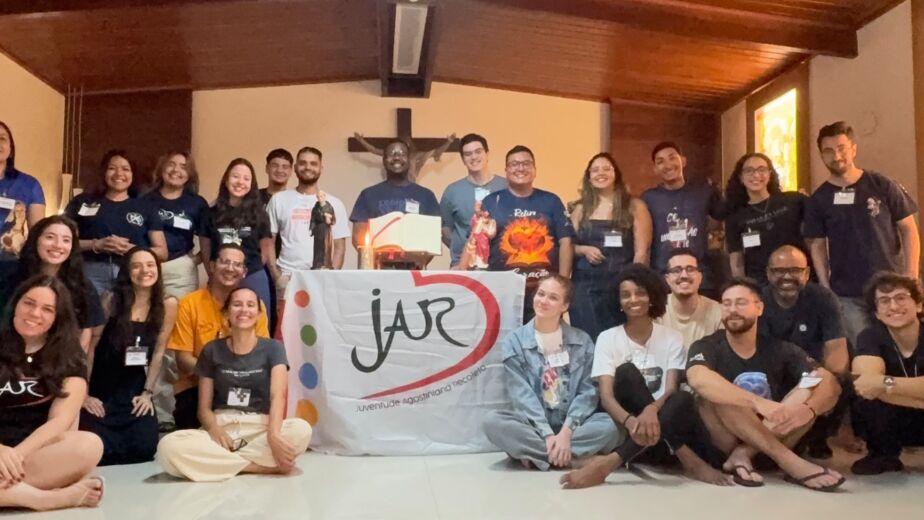
For the Augustinian Recollect Youth, this reflection connects with the search for God, interiority, and life in community. It invites us to pause and listen to what is happening within, and to be available to those who walk beside us.
The question “where is this generation heading?” is thus accompanied by another, personal and concrete: what opportunity is God offering you today, and what step can you take to respond?