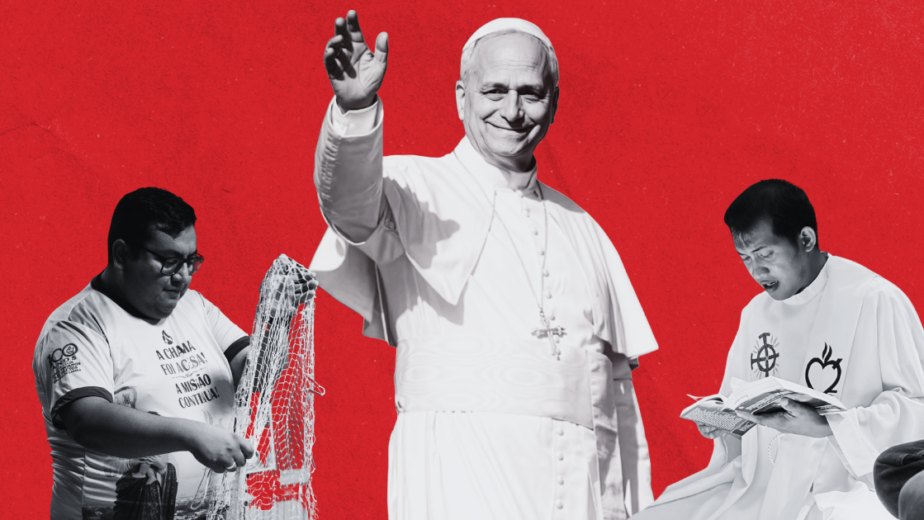

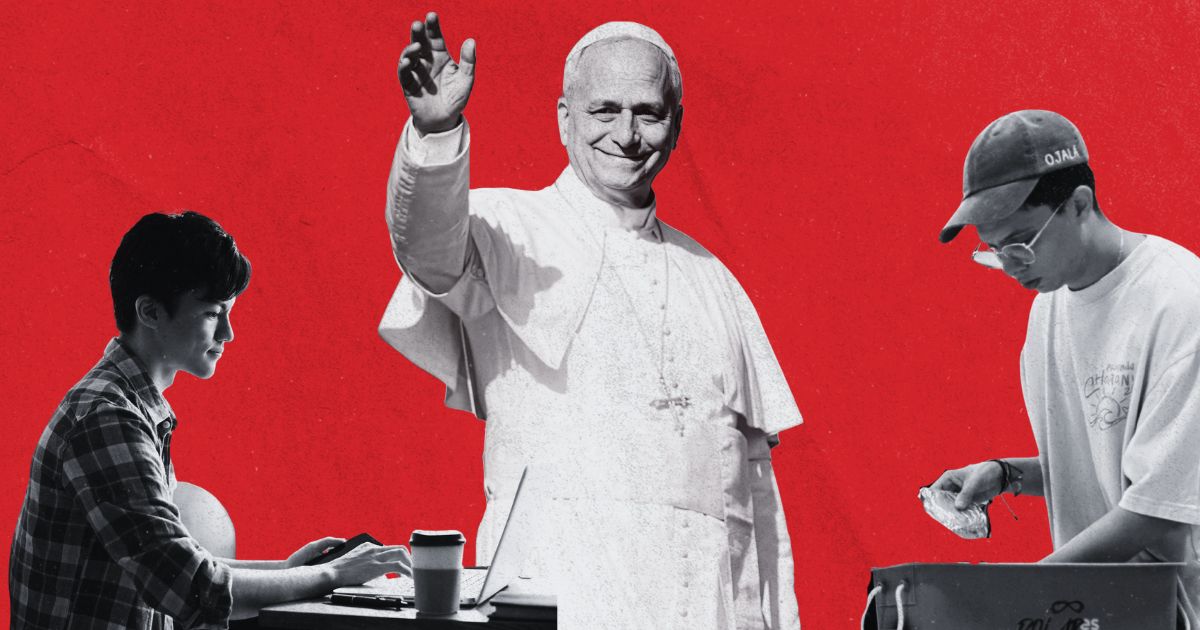
Summary: In the General Audience of September 23, 2026, Pope Leo XIV continued his catecheses on Gaudium et spes. This week, he explained that science, technology, and human work do not compete with God, but need to be guided by charity and placed at the service of all people.
To encounter God, do you need to distance yourself from work, science, and daily occupations? Pope Leo XIV answered this question during the General Audience on September 23, 2026. Continuing his catecheses on the pastoral constitution Gaudium et spes, he reflected on the value of human activity in the universe.
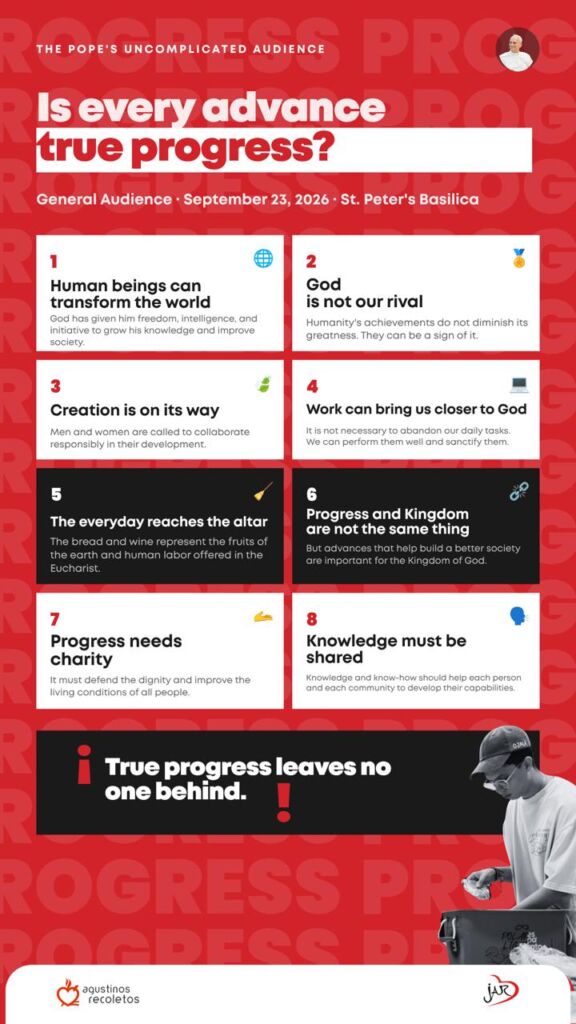
Work, science, technology, and social progress have true value. They are not enemies of faith nor do they turn human beings into rivals of God.
However, not every advance is automatically human progress. To truly be so, it must respect dignity, improve the lives of all, and be animated by charity.
What is the value of what we do?
The Pope began with a fundamental question: what is the value of human activity in the world? How should we understand technical, scientific, and social progress?
Humanity has increased its knowledge and improved living conditions from one generation to another thanks to its freedom, intelligence, and initiative. Gaudium et spes recognizes that today, human beings achieve many goods through their effort that they formerly expected to receive from higher powers.
This progress is not alien to God’s plan. Human beings, created in His image and likeness, are the subject and protagonist of this development. With their work and intelligence, they can help all of society advance.
God and Human Beings Are Not Rivals
Some ways of thinking have presented scientific and technical progress as something that weakens the relationship with God.
According to this view, the more human beings know and advance, the less they need God. To assert their freedom, they would have to emancipate themselves from Him.
The Pope rejected this opposition. God and human beings are not rivals. The greatness of our knowledge, our freedom, and our progress do not diminish God’s greatness.
On the contrary, humanity’s victories can be recognized as a sign of divine greatness and the fruit of His plan.
Furthermore, when the relationship with God is denied, the possibility of fully affirming the transcendent value of the person is also lost.
Progress Is Also Part of God’s Plan
Gaudium et spes teaches that the individual and collective effort made over centuries to improve living conditions responds to God’s intentions.
This means that researching, working, creating, and improving the world can be profoundly human activities consistent with faith.
God placed in the hands of men and women a creation still on its way and growing, so that they might collaborate in bringing it to its fullness through wise activity.
The believer does not contemplate the world as a finished reality before which one can only remain passive. They are called to work responsibly within it.
Finding God Without Escaping Your Life
The Pope related this reflection to the mystery of the Incarnation. The encounter with God does not absorb or destroy what is human. In Christ, humanity retains its freedom and capacity to act, and finds its fullest truth and freedom.
Therefore, to encounter God, it is not necessary to abandon earthly occupations. A person can fully live their vocation by performing their daily work well and sanctifying it.
Faith does not remove us from the world or make us indifferent to progress, science, or social life. It helps us to live all of this with a deeper meaning and oriented towards God.
Your Work Also Reaches the Altar
The celebration of the Eucharist concretely shows the relationship between human work and God.
Bread and wine, fruits of the earth and human labor, are placed on the altar to become the Body and Blood of Christ. Daily work does not have to remain separate from faith. It can be offered to God and become part of our response to Him.
In his greeting to Spanish-speaking pilgrims, the Pope invited them to unite their lives and tasks to the Eucharistic sacrifice so that the Lord might transform them into a living, holy, and pleasing offering. Simply put: you can also bring your studies, responsibilities, efforts, and daily tasks to the altar.
Progress Is Not the Kingdom of God
The Pope clarified that earthly progress and the development of the Kingdom of Christ are not the same.
We cannot think that scientific, social, or technological advances alone will build the Kingdom of God. However, they are not irrelevant either. When they contribute to better organizing society, they hold great importance for the Kingdom.
The good fruits of nature and human labor are not destined to simply disappear. The Council affirms that we will be able to find them again, purified, enlightened, and transformed. Christian hope does not despise what we build in this world. It invites us to work so that all good things are oriented towards their fullness.
Is Every Advance True Progress?
Not necessarily. To become truly human progress, technical and scientific advancement must seek the good of every person and all people.
It is not enough to demonstrate that something is possible. It is also necessary to ask:
- Does it protect human dignity?
- Does it improve living conditions?
- Does it benefit all people?
- Does it especially help those who are disadvantaged?
- Is it guided by charity?
Science and technology need direction. According to the Pope, that orientation must come from love. Only then can they defend dignity and truly improve the lives of all.
Sharing Knowledge and Know-How
The Pope concluded the catechesis with an invitation to share “the bread of knowledge and know-how.”
Knowledge should not become a privilege reserved for a few. It must be shared so that all people and all peoples can develop their capacities. The future improves when we put our knowledge, skills, and work at the service of others.
Building a better world is not solely the task of scientists, specialists, or leaders. Every person can collaborate with God and with others through their own activity.
Final Greetings: Putting Work at the Service of Dignity
In his greetings to pilgrims of different languages, the Pope reiterated the call to generously develop one’s capacities and share knowledge to build a better future together.
He invited them to know the treasures of Christian culture and history not as realities enclosed in the past, but as a possible inspiration for the future. He also asked that science and work be at the service of the person and their dignity, that they improve the living conditions of neighbors, and that they contribute with love to building a better world for all.
Speaking to English-speaking pilgrims, he recalled the upcoming beatification of Venerable Fulton Sheen, known for his evangelizing work through the media. He hoped that his example would inspire new ways of transmitting the Gospel with enthusiasm and joy.
An Appeal for Migrant and Refugee Children
Ahead of the upcoming World Day of Migrants and Refugees, the Pope made a special appeal on behalf of migrants and refugees, especially minors forced to leave their homeland.
He recalled that children and adolescents are the most vulnerable. They often suffer violence, torture, exploitation, and traumatic experiences, and some lose their lives during migration routes. Leo XIV called for responsibility from everyone.
No one should feel detached from the lives of these minors. They must always be protected and assisted. This call also shows what it means to guide progress through charity: building a better future is not only about developing new capacities, but also about caring for those at risk of being abandoned.
Saint Pio of Pietrelcina: Trust in Mercy
Addressing young people, the sick, and newlyweds, the Pope recalled the liturgical memorial of Saint Pio of Pietrelcina. He asked that his testimony of faith and charity be an invitation to always trust in God’s goodness and mercy.
The idea made simple
You don’t have to choose between God and progress. Researching, studying, working, creating, and improving living conditions can all be part of God’s plan.
Your daily work can also be a place of encounter with Him. You can perform it well, sanctify it, and offer it along with your own life. But not every advance deserves to be called progress.
True progress leaves no one behind. It is guided by charity, protects dignity, and puts knowledge at the service of all, especially those most in need. The question is not only how much we are capable of advancing, but where we are advancing and who benefits from that path.